Santorini Pickups | Blog
Private Airport & Port Pickups, Local Travel Tips and Comfortable Rides

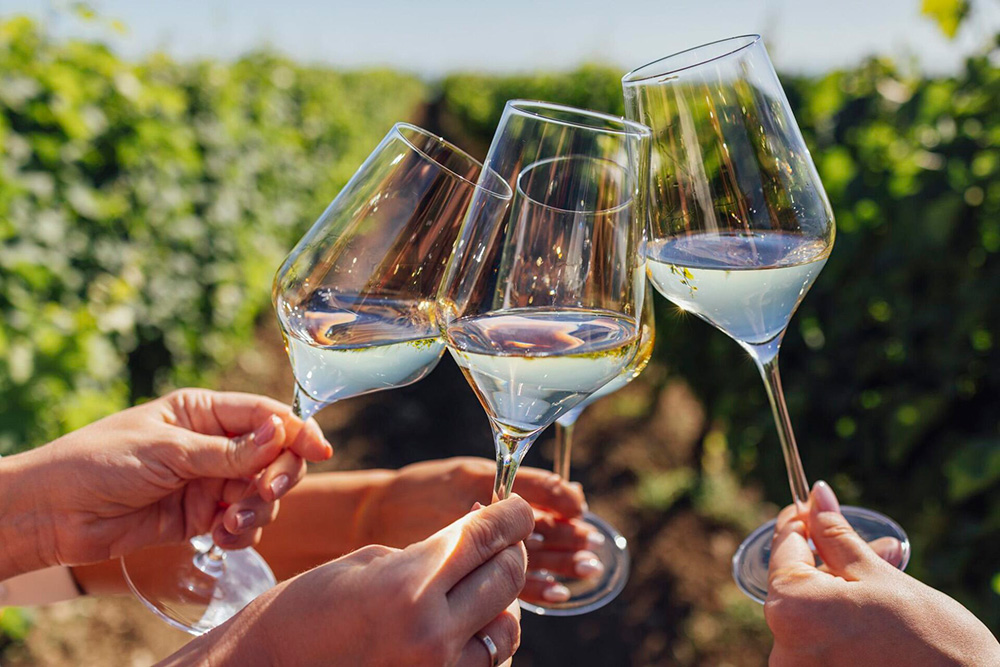
If your wine rotation is feeling a bit predictable, it is time to look to the Aegean Sea. Assyrtiko (pronounced ah-seer-tee-ko) has quickly moved from a sommelier’s secret to a major global wine trend. Known for its bracing acidity and intense mineral core, this indigenous Greek grape is capturing the attention of wine lovers looking for crisp, food-friendly whites that offer a true sense of place.
Whether you are a fan of Sauvignon Blanc, Chablis, or dry Riesling, this ultimate guide to Assyrtiko wine will show you why this ancient variety deserves a permanent spot in your cellar.
Assyrtiko is a premium white wine grape native to the volcanic island of Santorini, Greece. Unlike most white grapes grown in hot Mediterranean climates—which can lose their freshness and become flat as they ripen—Assyrtiko is a viticultural anomaly. It manages to develop high sugar levels (yielding structured wines with 13–14.5% ABV) while fiercely retaining a laser-focused, mouth-watering natural acidity.
To truly understand the flavor profile of a classic Santorini Assyrtiko, you have to look at the island's extreme environment. Santorini features no organic matter; the soil is a harsh mixture of volcanic ash, pumice, and porous lava rock.
Furthermore, the island is battered by ferocious, sand-carrying Aegean winds and experiences scorching summer heat with next to no rainfall. To survive, winemakers use an ancient vine-training method called Kouloura.
Instead of growing on traditional vertical trellises, the vines are meticulously woven close to the ground into low-slung, circular baskets. The grape bunches grow on the inside of the ring, heavily shielded by an outer canopy of leaves that acts as a natural umbrella against the sun and wind.
A Pre-Phylloxera Treasure: Because Santorini's volcanic soils lack clay, the devastating root louse Phylloxera cannot survive here. Consequently, Santorini is home to some of the oldest ungrafted vines on Earth, with root systems quietly drinking from deep bedrock for over 400 years.
Assyrtiko is a highly textural, structured white wine. While it carries a beautiful fruit profile, it is loved primarily for its intense, rocky minerality.
While Santorini sets the global standard, Assyrtiko is now successfully planted across the Greek mainland and even internationally.
This is the benchmark style. Fermented entirely in stainless steel tanks to preserve its raw energy, this wine is bone-dry, lean, and highly mineral. It is designed to be drunk fresh, though high-quality bottles can easily age for 5–10 years, developing complex notes of petrol and honeyed beeswax.
Traditionally harvested at night to keep the grapes cool, Nykteri is aged in oak barrels. Oak aging softens the aggressive acidity and coaxes out a creamier, fuller-bodied texture. You will find richer layers of baked lemon, toasted nuts, vanilla, and subtle wood smoke.
Grown in cooler mainland regions like Macedonia, Drama, or Attica, these expressions tend to be slightly softer. They lean into more expressive floral aromatics and stone fruit characters while remaining incredibly refreshing.
Thanks to its soaring acidity and low fruit sweetness, Assyrtiko is one of the most versatile food-pairing white wines in the world. Its natural salinity cuts through fats and highlights delicate seafood flavors perfectly.
When shopping for Assyrtiko online or at your local boutique wine shop, keep these quick tips in mind:
